Quick answer:
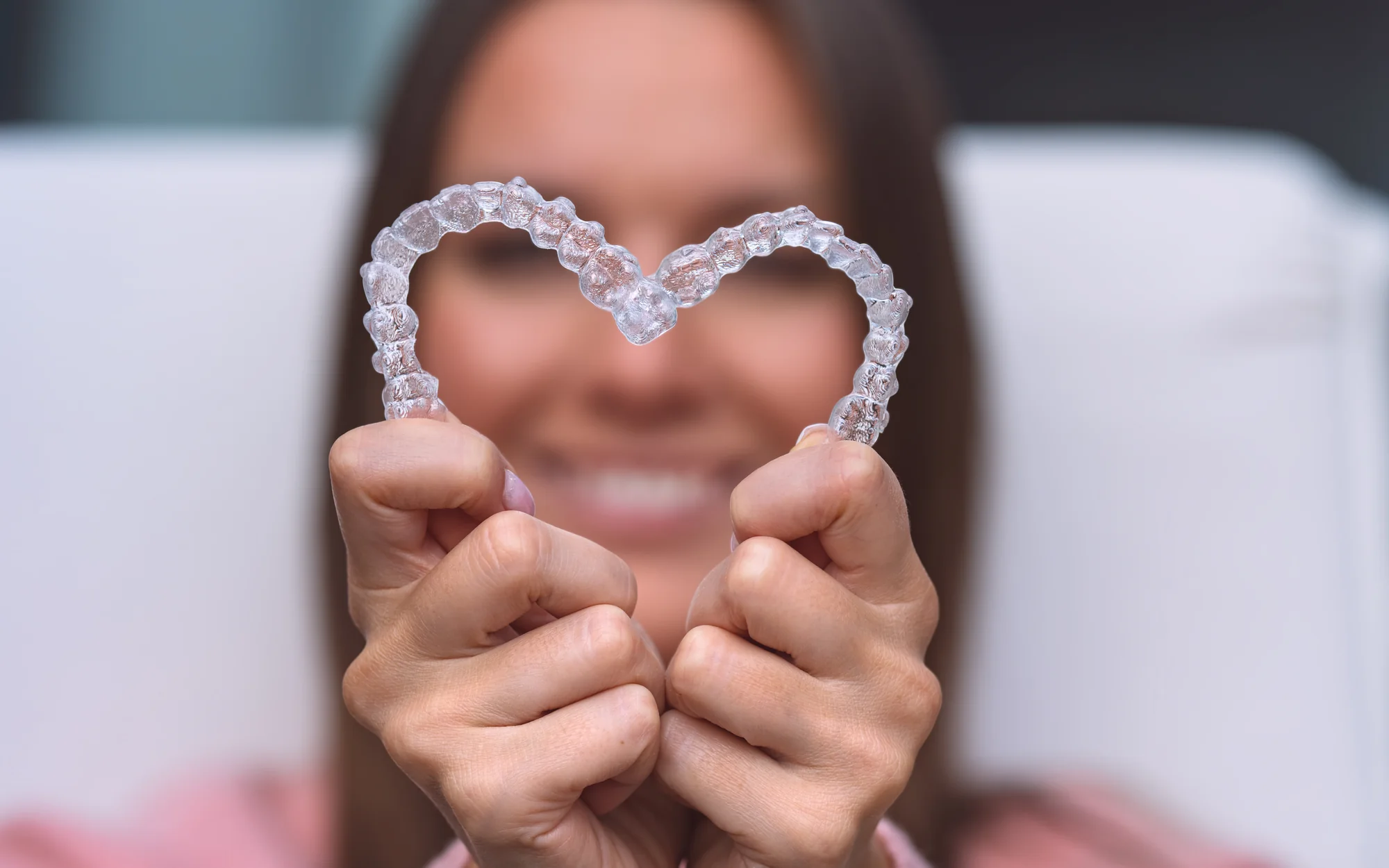
For many adults with mild to moderate crowding or spacing, Invisalign clear aligners work well and are easier to live with: nearly invisible, removable for eating and brushing. Braces handle more complex tooth movements more predictably and don’t depend on you wearing them. Either way, retainers afterward are essential.
Maybe you had braces as a teen and your teeth slowly drifted back. Maybe you never had them and always meant to.
Either way, the idea of metal brackets at work, in meetings and in photos is a hard sell as an adult. So you start looking at clear aligners and wondering whether they really work as well.
The simple answer is that for many adults, Invisalign can straighten teeth very well.
The more honest answer is that it depends on how your teeth need to move, and on you. Aligners only work while they’re in your mouth, and some movements are still more predictable with braces.
The best choice is the one that fits both your bite and your daily life.
How do Invisalign and braces work differently?
Braces use brackets bonded to the teeth and a wire that is adjusted at regular visits. They work around the clock, whether you think about them or not.
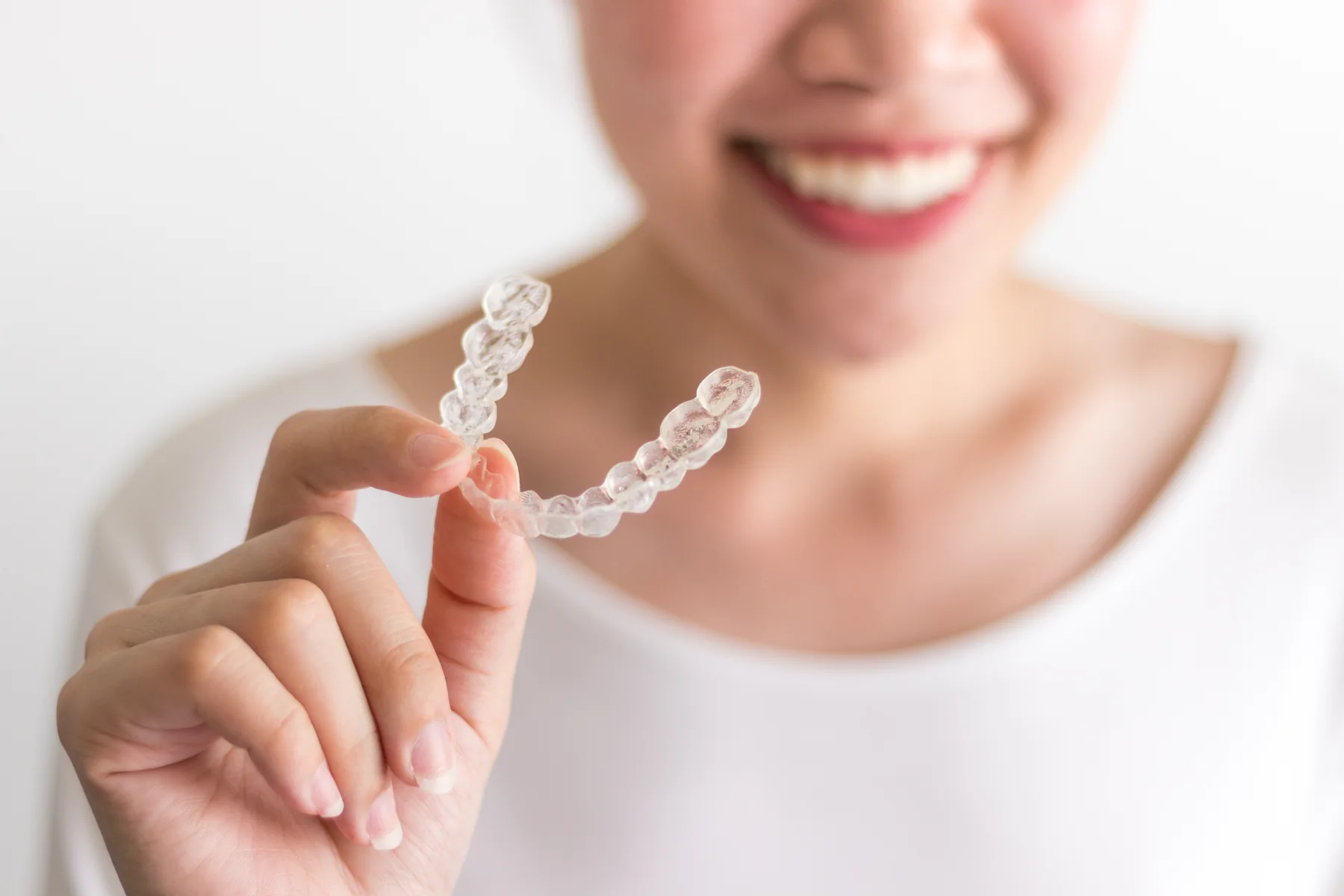
Invisalign uses a series of clear, removable trays made from a 3D scan of your teeth. Each set moves your teeth a small amount, and you switch to the next set on a schedule. They’re meant to be worn about 20 to 22 hours a day and taken out to eat, drink anything but water, and brush.
Invisalign vs. braces: how do they compare for adults?
| Invisalign | Braces | |
|---|---|---|
| Appearance | Nearly invisible | Visible brackets and wires (clear brackets are an option) |
| Removable | Yes, for meals and brushing | No |
| Best for | Mild to moderate crowding, spacing and some bite issues | Mild to complex cases, including large bite corrections |
| Depends on wear time | Yes, about 20–22 hours a day | No, always working |
| Food limits | None, because trays come out | Avoid hard and sticky foods |
| Cleaning | Brush and floss normally | Harder around brackets |
| Retainers after | Yes | Yes |
Is Invisalign as effective as braces?
For many cases, it comes close. A review of studies comparing the two found aligners worked well for mild to moderate problems, while braces were more effective for some movements, such as larger bite changes and controlling root position (Ke et al., 2019).
A later review reached a similar conclusion: aligners can be effective for mild to moderate cases, and some evidence suggests teeth may shift back somewhat more after aligner treatment, which makes retainer wear especially important (Yassir et al., 2022).
Aligners are powerful, but only if they’re worn.
Why do many adults choose Invisalign over braces?
- Appearance. Most people won’t notice you’re wearing them.
- Eating normally. You take them out, so there are no food rules.
- Easier cleaning. In a review of adults early in treatment, aligner wearers had less plaque than braces wearers, though the evidence is limited and gum bleeding was similar (Oikonomou et al., 2021).
- Comfort. A review found aligner patients reported less pain than braces patients in the first days of treatment (Cardoso et al., 2020).
Adults are also often better at the habit aligners require: wearing them consistently and switching trays on time.
The Biggest Difference: Who Is in Control
With braces, the treatment is fixed to your teeth. With Invisalign, you are in charge of wearing the trays.
That freedom is the main benefit, and the main risk. Leaving trays out for long stretches slows progress, and the trays may stop fitting. If you know you’d struggle to keep them in most of the day, braces may give a more reliable result.
What We Look at Before Recommending Invisalign
- How your teeth need to move. Crowding, spacing, rotations and bite changes each respond differently.
- Your bite, including overbite, underbite and crossbite.
- Gum and bone health, which matter more for adults moving teeth.
- Existing dental work such as crowns, bridges or implants, which don’t move like natural teeth.
- Your routine and whether full-time wear is realistic.
- Your goals, including whether straightening could avoid the need for veneers or crowns, or be one step in a smile makeover.
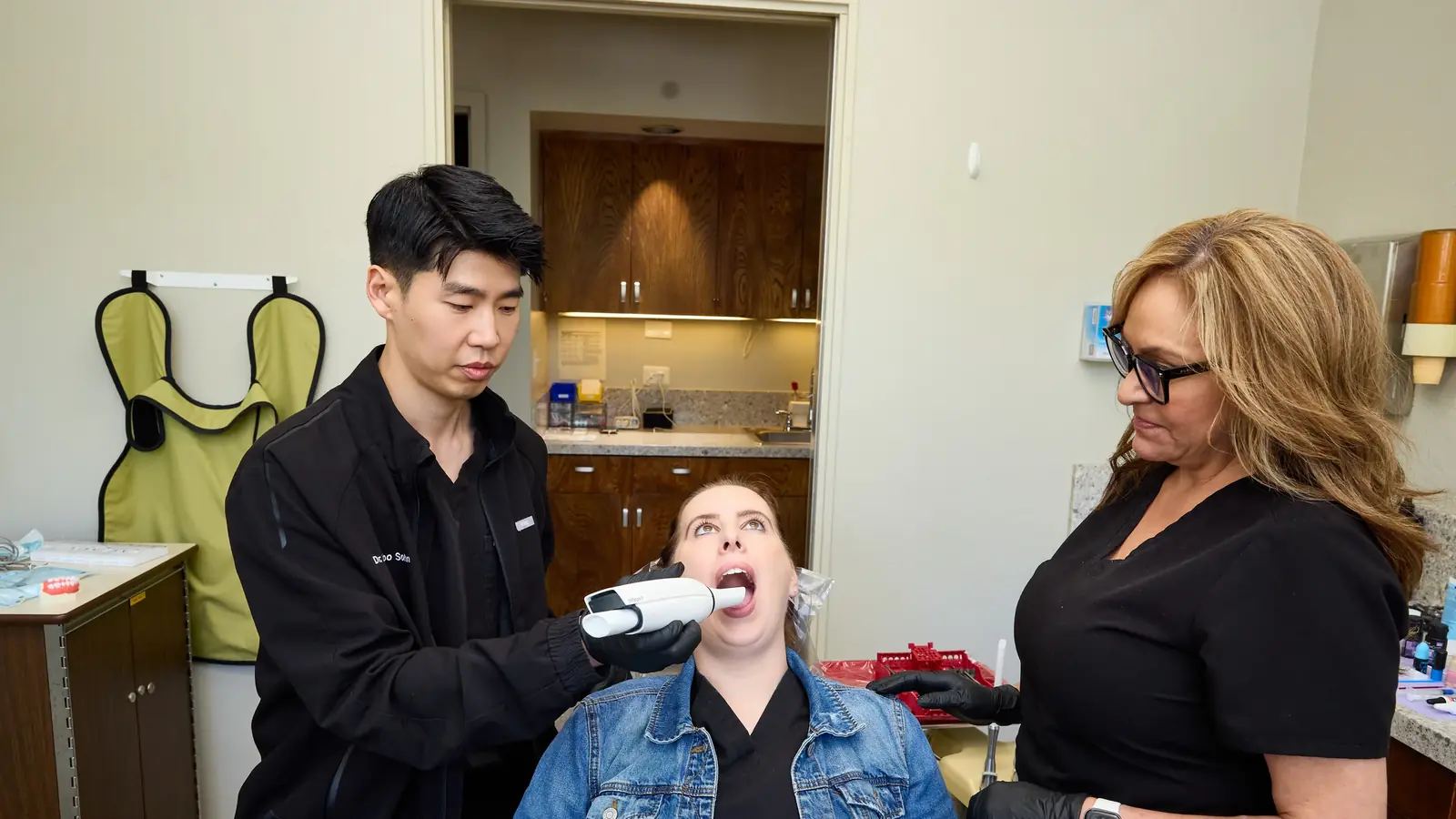
At our La Mirada office, Dr. Sohn starts with a 3D scan, so you can see how your teeth could move before you decide. If braces or a referral to an orthodontist would serve you better, he’ll tell you. We offer Invisalign, not traditional braces.
What are the downsides of Invisalign and braces?
- Invisalign: needs about 20–22 hours of wear a day, trays can be lost, and some complex movements are less predictable.
- Braces: harder to clean, food restrictions, and broken brackets can mean extra visits.
- Both: some soreness when treatment starts or trays change, and both need retainers.
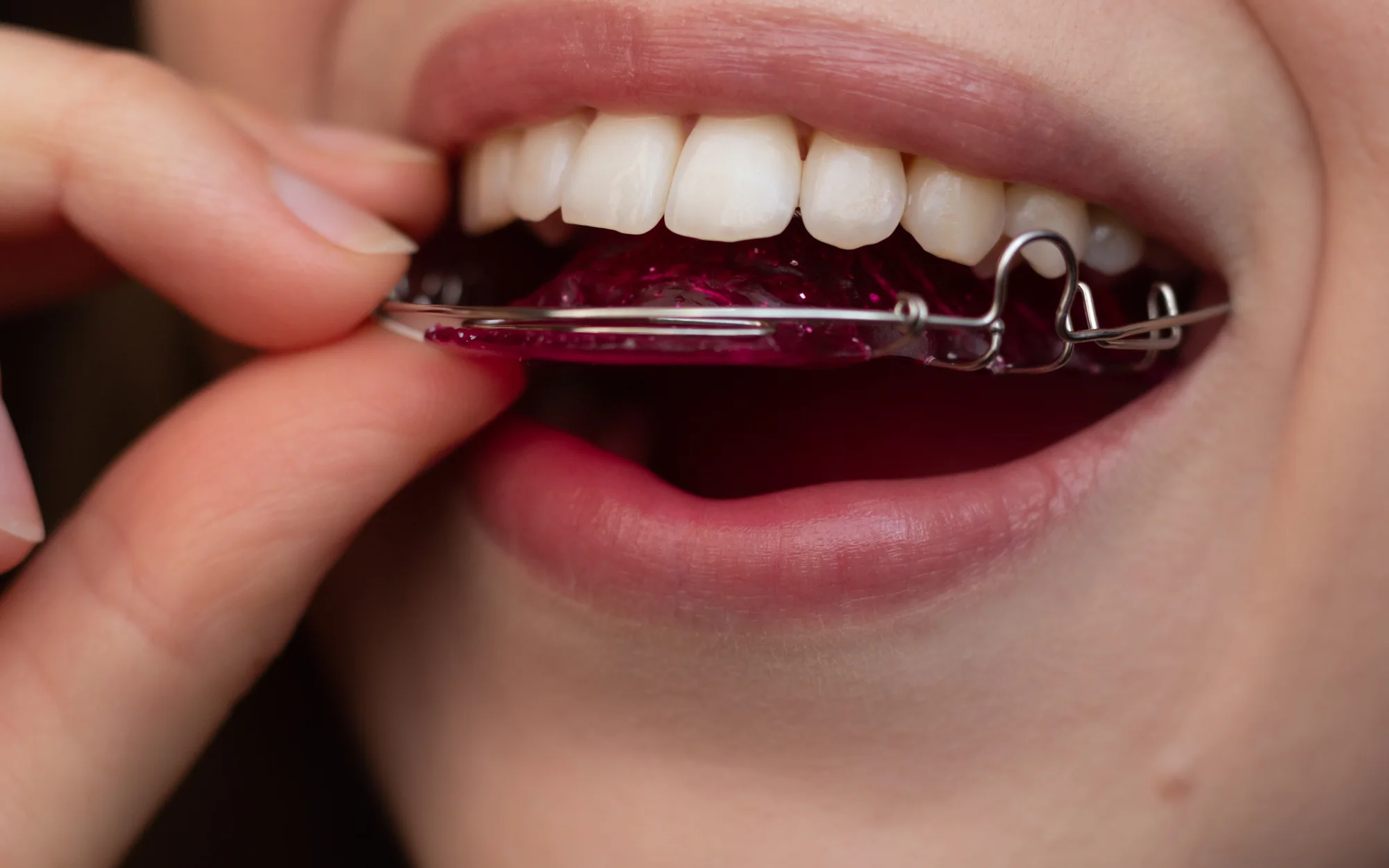
Teeth tend to drift back after any straightening. A Cochrane review notes that without a retention phase, teeth tend to return toward their old positions, and that no single type of retainer has been shown to be clearly best (Martin et al., 2023). We offer clear, Hawley and fixed retainers.
Is Invisalign more expensive than braces?
In the Los Angeles area, Invisalign typically costs about $3,000 to $8,000, depending on how complex the case is and how long it takes. Braces fall in a similar range for many cases, so the price difference is often smaller than people expect.
Some dental plans include orthodontic benefits for adults; many don’t. We work with most PPO plans and file your claims, and financing with Cherry can spread the cost into monthly payments for those who qualify.
If you’re straightening teeth before cosmetic work, our guide to veneers vs. crowns vs. bonding explains how those options fit in.
Final Takeaways
- Invisalign works well for many adults with mild to moderate crowding or spacing.
- Braces are more predictable for some complex movements and large bite changes.
- Aligners only work when worn about 20–22 hours a day.
- Aligners are easier to clean around and usually less uncomfortable at first.
- Costs are often similar. In the LA area, Invisalign is typically $3,000–$8,000.
- Retainers are essential after either treatment.
Curious whether Invisalign could work for you? Call (562) 947-2555 or request a visit. We’ll scan your teeth, show you what’s possible and give you the fee before you decide.