
Quick answer:
A filling is usually enough when decay or damage is small and most of the tooth is still strong. A crown is usually needed when a large part of the tooth is missing, a big old filling is failing, a crack weakens the tooth, or a back tooth has had a root canal. An exam and x-rays decide which fits your tooth.
Your dentist says you have a cavity. Then comes the follow-up: “It’s on the big side. We could fill it, or it might need a crown.”
You hear the price difference and the extra visit, and your first instinct is: let’s just do the filling.
The simple answer is that a filling repairs a hole in a tooth, and a crown covers and protects a tooth that has lost too much of itself.
The more honest answer is that the decision isn’t really about the cavity. It is about how much healthy tooth will be left after the decay is removed, and whether that tooth can survive chewing on its own.
The question isn’t how big the hole is. It’s how strong the walls are.
What is the difference between a crown and a filling?
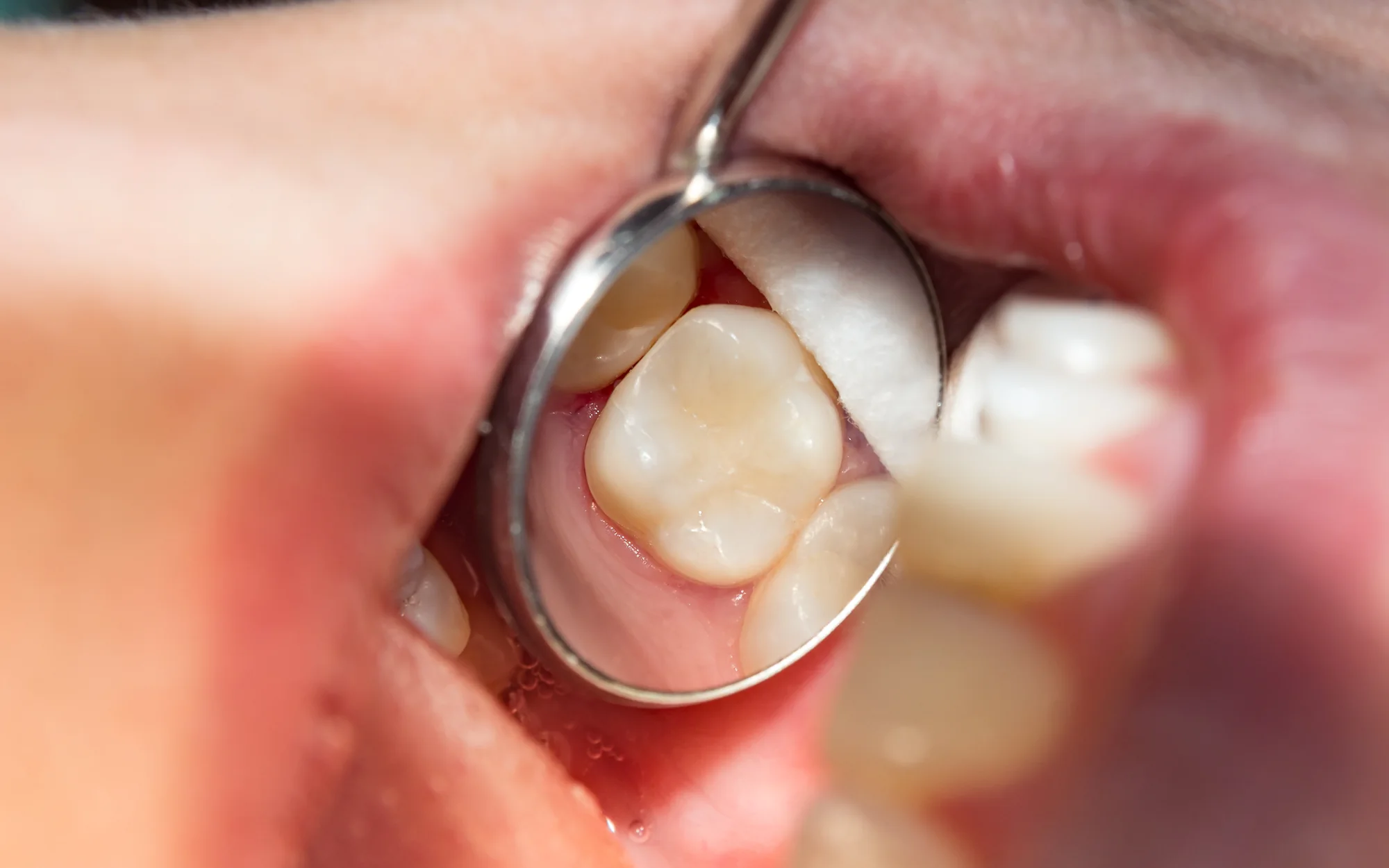
A filling replaces only the part of the tooth that was lost to decay. At JW Dentistry, fillings are tooth-colored composite, layered in and hardened in a single visit.
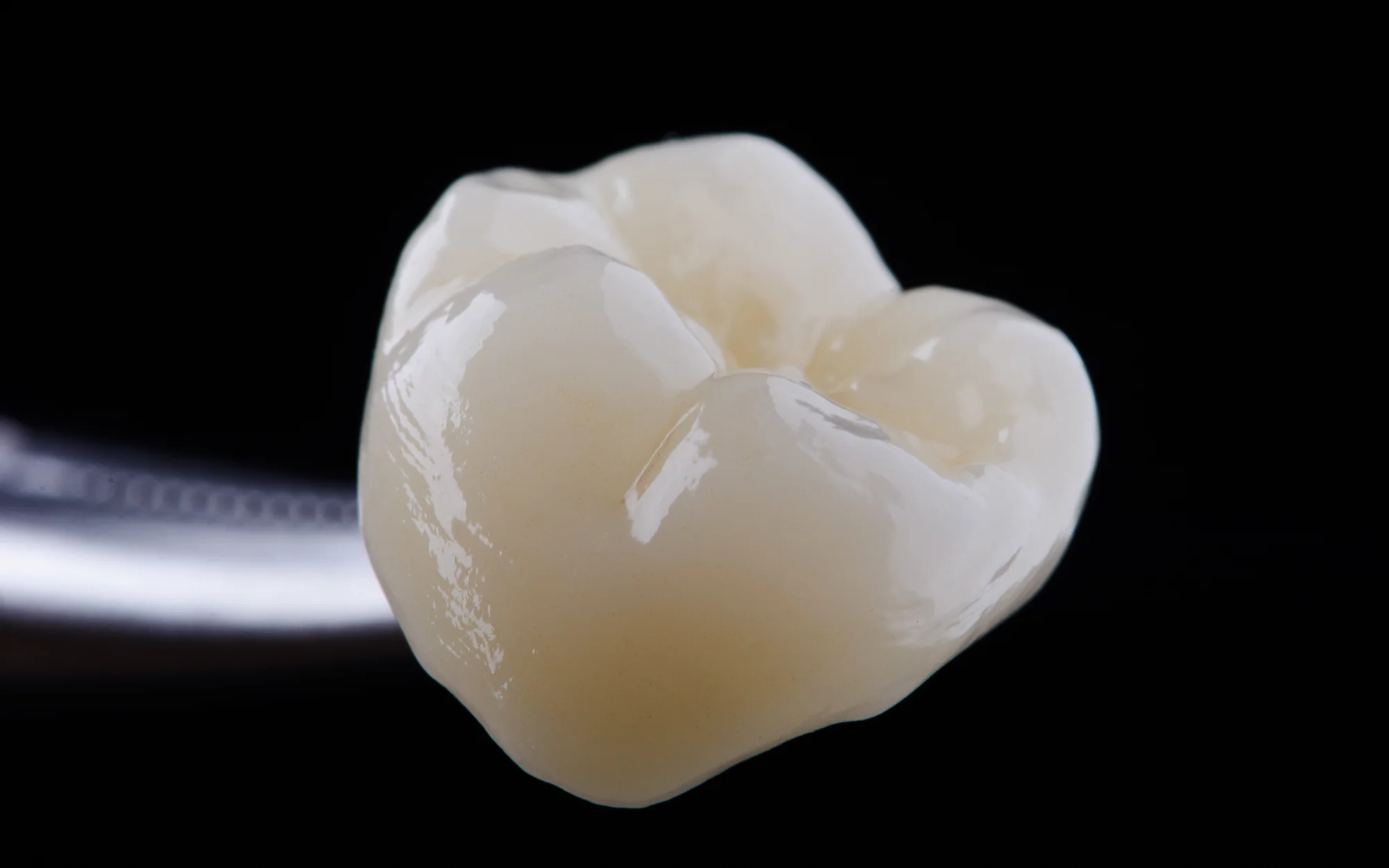
A crown is a cap that covers the whole visible part of the tooth. It is made in a lab from a digital scan, so it usually takes two visits, with a temporary crown in between.
The other big difference is how much tooth each one takes. Shaping a front tooth for a full crown removes roughly 63% to 72% of the visible tooth structure by weight (Edelhoff & Sorensen, 2002). A filling removes only the damaged part.
| Filling | Crown | |
|---|---|---|
| What it does | Fills the space left after decay is removed | Covers and protects the whole tooth |
| Best for | Small to moderate decay, small chips | Large loss of tooth, cracks, after many root canals |
| Tooth removed | Only the damaged part | A layer all the way around |
| Visits | Usually one | Usually two, with a temporary |
| Area cost (no insurance) | About $190–$500 in California | About $1,100–$3,000 in the LA area |
Those cost ranges are area averages based on 2026 cost data, not our fees. Your fee is given after your exam, before any treatment.
When is a filling enough?
A filling is usually the right first choice when:
- The decay is small or moderate
- The outer walls of the tooth are thick and intact
- The chewing edges (cusps) aren’t undermined
- There is no crack running through the tooth
Modern composite fillings can last a long time. Most clinical studies of back-tooth composite fillings report yearly failure rates between about 1% and 3%, and the dentist, the tooth and the patient’s habits mattered more than the brand of material (Demarco et al., 2012).
When do you need a crown instead of a filling?
A crown is usually considered when:
- Most of the tooth is gone. A filling needs strong walls around it to hold up.
- A large old filling is failing. Replacing a huge filling with another huge filling leaves thin walls behind.
- A crack weakens the tooth. A crown can hold the tooth together and help keep a crack from spreading.
- A back tooth has had a root canal. Back teeth that got crowns after root canals were lost about six times less often than those left without coverage (Aquilino & Caplan, 2002).
- A cusp has broken off. Chewing edges carry the most force.
Most dentists agree on this. In a national survey of nearly 1,800 dentists, crowns were most often recommended for teeth that were fractured, cracked, had a root canal or had a broken restoration (Makhija et al., 2016).
The Biggest Difference: How Much Healthy Tooth Is Left
Think of a tooth as a cup. A small chip in the rim is easy to patch. But if most of one side is missing, a patch has nothing solid to hold on to, and every bite pushes the thin walls apart.
That is why the same-sized cavity can need a filling in one tooth and a crown in another. It depends on where the damage is and how thick the remaining walls are.
A big filling in a weak tooth can work for a while, then fail all at once.
Does a cracked tooth always need a crown?
Not always. In a three-year study of nearly 3,000 cracked back teeth across U.S. dental practices, many cracks never got worse, and some teeth were simply monitored. Of those that were treated, mostly with crowns, about 14% needed further treatment, and over 98% of all the cracked teeth were still in the mouth after three years (Ferracane et al., 2022).
Biting pain (see what to do for a toothache), active decay and a crack that connects to a filling were among the signs that pointed dentists toward treatment. A crack with no symptoms may just be watched. If you grind your teeth, a night guard can help protect cracked teeth.
What We Look at Before Recommending a Crown or a Filling
- Wall thickness. How much healthy tooth will remain once decay is removed.
- The x-ray. How deep the decay goes and whether it is near the nerve.
- Cracks. Where they run and whether they hurt when you bite.
- Old fillings. Their size, age and condition.
- Root canal history. Especially on back teeth.
- Your bite and habits. Grinding, clenching and chewing forces.
At our La Mirada office, Dr. Sohn shows you your x-rays and close-up photos on the chairside screen, so you can see why he is recommending one over the other. If a filling is a reasonable option, he will tell you. You can always take time to think it over.
Is there anything between a filling and a crown?
Yes. An onlay (sometimes called a partial crown) covers only the damaged cusps instead of the whole tooth. It is made in a lab like a crown but keeps more natural tooth.
Ceramic inlays and onlays have held up well in studies, with about 91% still in place at 10 years in one large review (Morimoto et al., 2016). Whether an onlay suits your tooth depends on where the damage is; ask about it at your exam.
What are the risks of choosing the wrong one?
- Filling a tooth that needed a crown can lead to a cracked cusp or a split tooth later, which can mean a root canal or losing the tooth.
- Crowning a tooth that only needed a filling removes healthy tooth that can’t be put back.
- Waiting too long lets a small cavity become a large one, which narrows your options.
- Neither is permanent. Fillings and crowns can both need replacing someday, especially if decay returns at the edge.
Is a crown worth the extra cost over a filling?
When a tooth truly needs a crown, a filling can cost less now and more later if the tooth breaks. When a filling will do, it is the better value and keeps more tooth.
We work with most PPO plans and file your claims; many plans cover part of both fillings and crowns. No insurance? Our membership plan includes 10% to 20% off other treatment, and financing with Cherry is available to those who qualify. You get your fee in writing before anything starts.
Final Takeaways
- A filling repairs a smaller area; a crown protects a tooth that has lost too much.
- The deciding factor is how much healthy tooth is left, not the size of the cavity alone.
- Cracks, large failing fillings and root canals on back teeth often point to a crown.
- A full crown removes much more tooth than a filling, so it shouldn’t be the default.
- Onlays are a middle option for some teeth.
- Treating decay early keeps more of your options open.
Not sure which your tooth needs? Call (562) 947-2555 or request a visit. Dr. Sohn will show you what he sees and explain your options, and their fees, before anything starts.