Quick answer:
Most dental crowns last many years, and reviews put about 9 in 10 single crowns still working after five years. Many last well past ten. How long yours lasts depends less on the crown itself and more on the tooth underneath, how you bite, whether you grind, and how well the edge is kept clean.
You’re flossing one night and notice your old crown looks a little different. Maybe there’s a dark line at the gum. Maybe it just feels older than you are.
You try to remember when you got it. Ten years ago? Fifteen? And you wonder: is it about to fail?
The simple answer is that crowns are one of the longest-lasting repairs in dentistry, and many go well beyond a decade.
The more honest answer is that there is no expiration date. A crown doesn’t wear out on a schedule. It fails for a reason, and most of those reasons can be spotted early.
A crown’s age matters less than its condition.
How long do dental crowns last on average?
Large reviews give a good starting point. Across many studies, about 93% of all-ceramic and 96% of metal-ceramic single crowns were still in place after five years (Pjetursson et al., 2007).
Longer studies show a slow, steady decline. In one group of over 1,000 crowns followed for up to 30 years, about 81% were still working at 10 years and about 62% at 20 years (Hawthan et al., 2022).
In a specialist practice that followed more than 2,000 gold-based metal-ceramic crowns, about 85% were estimated to survive 25 years (Walton, 2013).
So the range is wide. A crown can last 5 years or 25, and the numbers above are averages, not promises for any one tooth.
Do porcelain, zirconia and gold crowns last different amounts of time?
Less than most people expect. In a review comparing zirconia-ceramic and metal-ceramic single crowns, both performed well over five years, though zirconia crowns with a layered porcelain surface had more chipping (Pjetursson et al., 2018).
Newer one-piece (monolithic) ceramics avoid that layered surface, which is part of why they are popular for back teeth. Gold is still very durable, but few people want it where it shows.
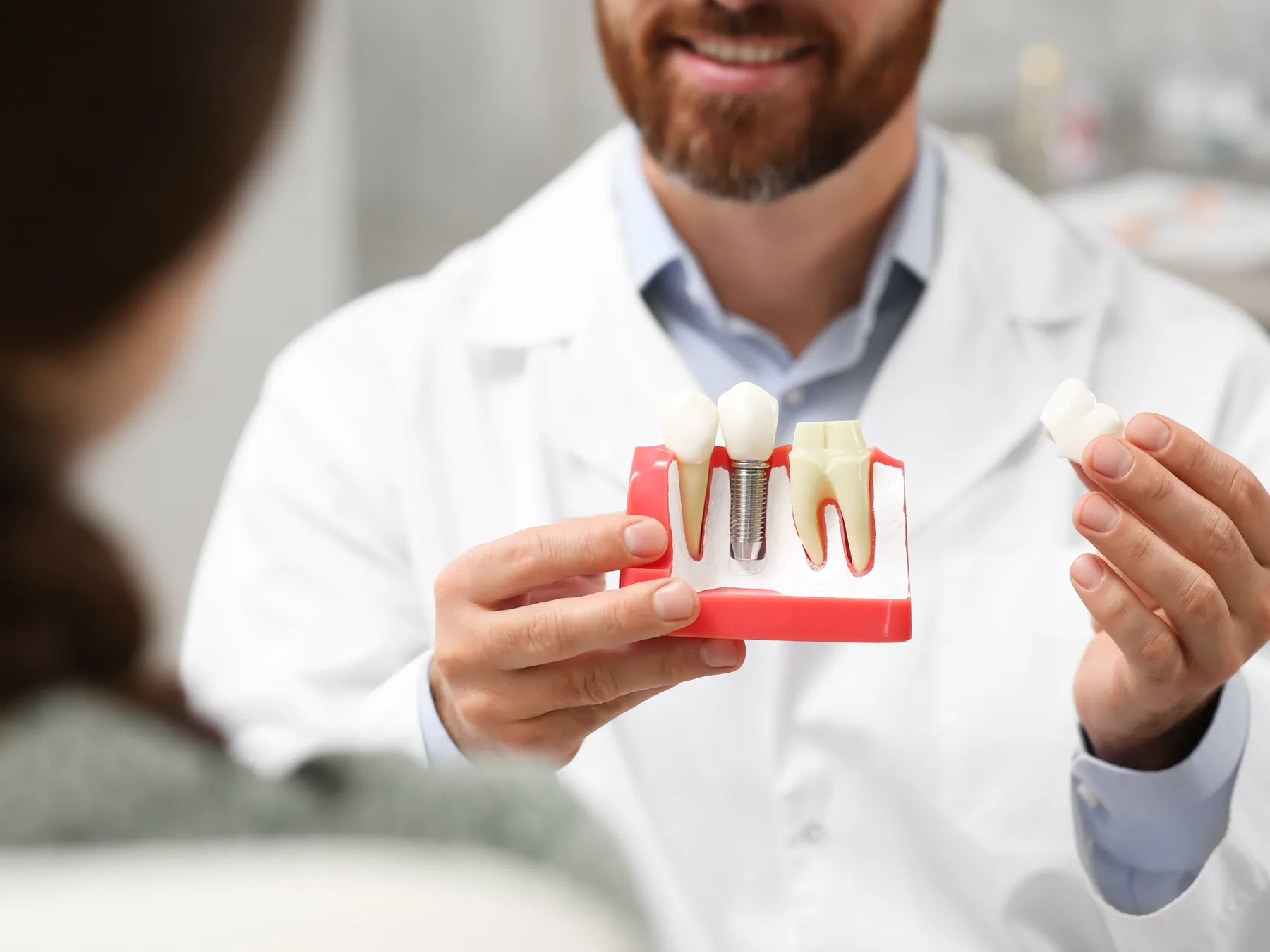
The right material depends on where the tooth is, how hard you bite and how much tooth is left. Our dental crowns page explains the trade-offs between ceramic, porcelain-fused-to-metal and gold.
| Crown type | Strengths | Watch for |
|---|---|---|
| All-ceramic (one piece) | Natural look, no metal line at the gum | Can fracture under very heavy biting forces |
| Zirconia with layered porcelain | Strong core, good appearance | Chipping of the outer porcelain layer |
| Porcelain fused to metal | Long track record | Porcelain chips; a dark line can show at the gum |
| Gold or metal | Very durable, gentle on opposing teeth | Appearance |
The Biggest Difference: The Tooth Under the Crown
A crown cannot get a cavity. The tooth along its edge can.
That edge is where most long-term trouble starts. Decay at the margin was the most common complication on teeth supporting bridges in a major review, and loss of retention was among the top problems for single crowns (Goodacre et al., 2003).
Whether the tooth still has its nerve matters too. In the long-term study above, crowns on teeth that had had a root canal failed more often than crowns on teeth with a living nerve (Hawthan et al., 2022).
That doesn’t mean those crowns are a bad idea. Back teeth that had a root canal and then got a crown were lost about six times less often than ones left without coverage (Aquilino & Caplan, 2002). The crown is protecting a tooth that is already weaker.
A crown is only as strong as the tooth it sits on.
What makes a crown fail sooner?
- Grinding and clenching. Bruxism was one of the factors linked to crowns failing in the long-term study (Hawthan et al., 2022).
- Decay at the edge. Food and plaque that sit at the gumline slowly undermine the tooth.
- Front-tooth crowns. In the same study, crowns on front teeth failed more often than crowns on back teeth.
- A short or heavily tapered tooth. A crown holds on best to a tooth that is tall enough and not too cone-shaped (Goodacre et al., 2001).
- Hard habits. Chewing ice, hard candy or pens puts sudden force on the crown.
- Gum disease. Receding gums expose more of the root edge, which is harder to keep clean.
How do I know if my crown needs to be replaced?
Some signs you can notice yourself:
- The crown feels loose, or food keeps catching at its edge
- A chip or crack you can feel with your tongue
- Pain when biting, or new sensitivity to cold
- A dark line or gap at the gum that is getting bigger
- A bad taste or smell around one tooth
Others only show on an x-ray. Early decay under a crown’s edge often has no symptoms at all, which is why checkups matter even when nothing hurts. If yours has already come off, our guide on what to do when a crown falls off walks through the first steps.
What We Look at Before Recommending a New Crown
An older crown isn’t replaced just for being old. At JW Dentistry in La Mirada, Dr. Sohn looks at a few specific things first:
- The edge. Is it sealed, or is there a gap or decay?
- The x-ray. Digital x-rays show decay under the crown and the health of the root.
- The crown itself. Chips, cracks or wear through to the inner layer.
- Your bite. Does it hit first or feel high?
- Your gums. Bleeding or recession around the crown.
- Your habits. Grinding or clenching that could shorten a new crown’s life too.
If the crown is sound, the plan may simply be to keep an eye on it. If not, you hear why, what the options are and what they cost before anything starts.

How can I make my crown last longer?
- Clean the edge. Brush along the gumline and floss around the crown every day.
- Keep your checkups. Regular cleanings and exams catch a leaking edge while it is still small.
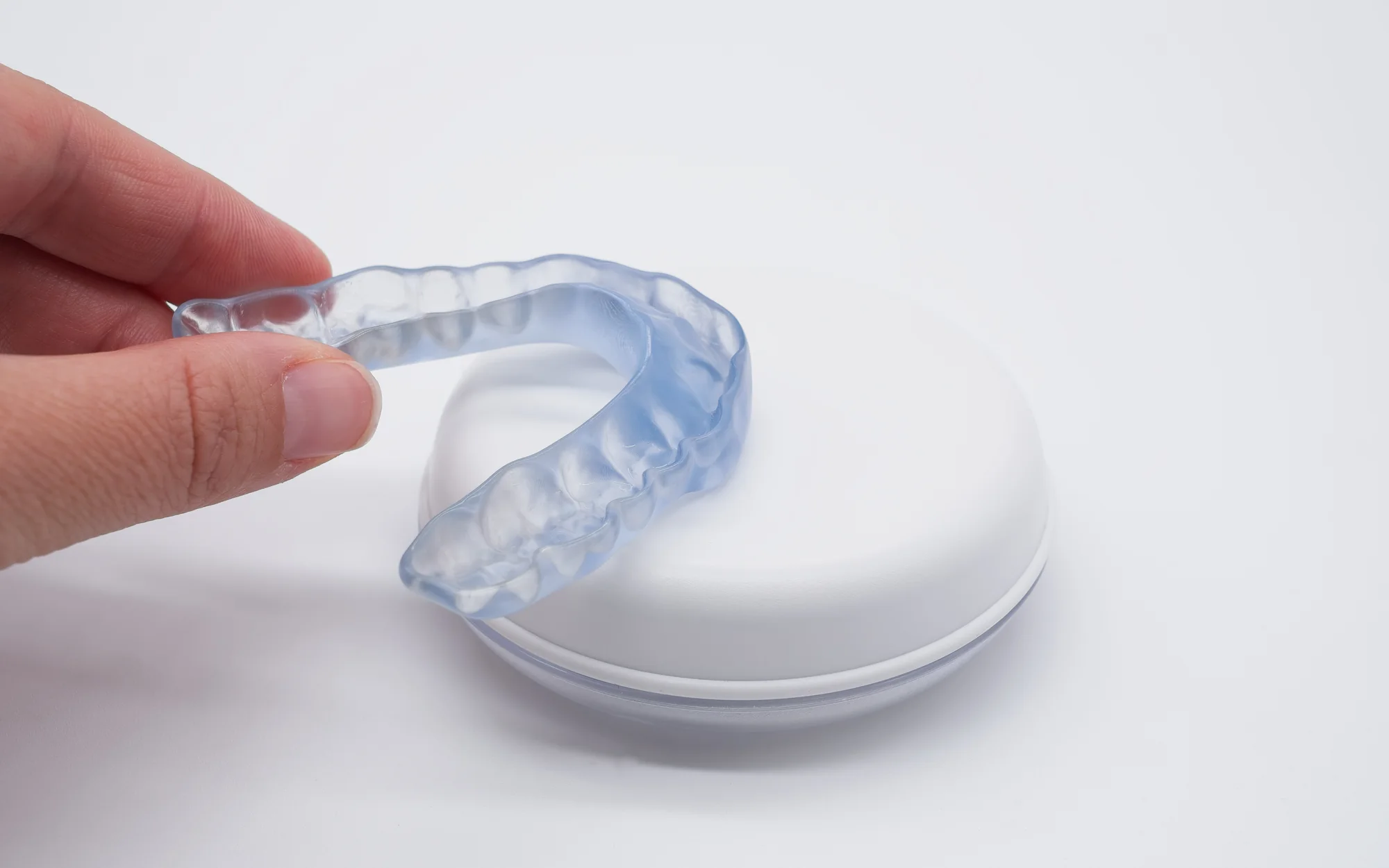
- Protect it at night. If you grind, ask about a night guard.
- Don’t use it as a tool. No opening packages, cracking nuts or chewing ice.
- Speak up early. A crown that feels different is easier to fix before it comes off.
How long do temporary crowns last?
Temporary crowns are meant to last only until your final crown is ready, usually a short stretch between visits. They are set with a weaker cement on purpose, so they can be removed easily, and in lab testing provisional cements held crowns less firmly than most permanent cements (Pinzón et al., 2009).
If a temporary comes off, call. It protects the trimmed tooth and holds space for the final crown.
What are the limits of a crown?
- It doesn’t make a tooth decay-proof. The root and the edge still need cleaning.
- It can’t fix a cracked root. If a crack runs down into the root, a crown may not save the tooth.
- Replacing it takes more tooth. Each new crown may need a little more shaping, so making the first one last pays off.
- Survival figures are averages. They come from groups of patients; your own result depends on your mouth.
How much does it cost to replace a crown?
In the Los Angeles area, a porcelain or ceramic crown typically costs about $1,100 to $3,000 per tooth without insurance, based on 2026 California cost data. That is an area average, not our fee; your fee is given before treatment, after your exam.
The total depends on the material and any work the tooth needs first, such as a buildup or root canal. We work with most PPO plans and file your claims, and financing with Cherry is available to those who qualify.
Final Takeaways
- About 9 in 10 single crowns are still working after five years, and many last well past ten.
- There is no expiration date; crowns fail for reasons, not birthdays.
- Decay at the edge, grinding and the health of the tooth underneath matter most.
- Material matters less than fit, bite and care.
- Early decay under a crown often doesn’t hurt, so checkups matter.
- A night guard and daily cleaning along the gumline help a crown last.
Wondering about an older crown? Call (562) 947-2555 or request a visit. Dr. Sohn will check it, show you what he sees on the screen, and tell you honestly whether it needs anything.